
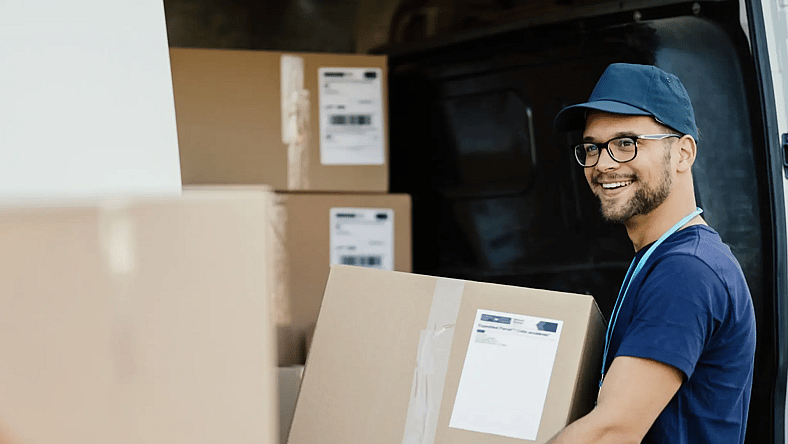
In the world of filmmaking, timing and precision are everything. From cameras and lighting kits to sound systems and stage props, film productions rely heavily on specialized equipment. Ensuring that this gear arrives on set at the right time can mean the difference between a smooth shoot and costly delays. This is where equipment delivery tracking becomes a vital part of modern film production logistics.
Why Equipment Delivery Tracking Matters in Filmmaking
Film productions operate on tight schedules and even tighter budgets. Every hour of delay can translate into thousands of dollars in additional costs. When crew members are ready, actors are on set, and the clock is ticking, missing or late equipment can cause serious disruptions.
Equipment delivery tracking helps production managers and logistics teams monitor the location and status of essential gear in real time. Instead of relying on phone calls, paperwork, or guesswork, tracking software provides visibility into where each piece of equipment is, when it will arrive, and whether there are any delays.
For filmmakers, this means:
- Greater reliability during time-sensitive shoots.
- Reduced risk of misplaced or stolen equipment.
- Improved coordination between production crews and vendors.
The Role of Technology in Film Production Logistics
Gone are the days when production coordinators had to manually track deliveries on spreadsheets. With advanced equipment delivery tracking software, every stage of the logistics process is automated and streamlined.
Features such as GPS tracking, digital proof of delivery, and route optimization ensure that equipment reaches its destination safely and on time. For film productions shooting across multiple locations, these tools are invaluable.
For example, a production team shooting a scene in the desert may need generators, lighting towers, and camera rigs delivered to a remote area. Using tracking software, they can monitor deliveries in real time and prepare the crew for immediate setup upon arrival.
Benefits of Equipment Delivery Tracking for Filmmakers
The film industry presents unique challenges that traditional logistics systems can’t always address. Here are the top benefits of using equipment delivery tracking in filmmaking:
1. Preventing Delays
With real-time tracking, production managers can anticipate issues before they happen. If a delivery is running late, adjustments can be made to the shooting schedule, or backup arrangements can be deployed.
2. Enhancing Security
Film equipment is often worth millions of dollars. Tracking systems help reduce the risk of theft or misplacement by providing visibility into the exact location of valuable assets.
3. Cost Savings
Every delayed shoot means wasted money. By ensuring deliveries are on time, equipment tracking minimizes costly downtime and helps productions stay within budget.
4. Accountability and Transparency
Digital records of deliveries, complete with timestamps and electronic proof of delivery, hold vendors and transport partners accountable. This transparency builds trust across the production chain.
5. Better Coordination Across Locations
Large productions often span multiple sets, sometimes even across different cities or countries. Equipment delivery tracking allows central teams to oversee logistics seamlessly, no matter how complex the setup.
Equipment Delivery Tracking in Action: Film Industry Use Cases
To better understand its impact, let’s look at real-world examples of how equipment delivery tracking supports filmmaking:
- Studio Productions: Large studios working with multiple departments for lighting, camera, and costume use tracking systems to ensure every piece of gear arrives on time for daily shoots.
- Independent Filmmakers: Indie film crews with limited budgets depend on timely delivery of rented equipment. Tracking ensures they get the most out of their rental time.
- On-Location Shoots: Productions filming in remote locations need precise scheduling. Delivery tracking makes it possible to send and receive critical equipment without delays.
- Film Festivals: Organizers moving projection equipment, staging gear, and screens between venues rely on tracking for smooth event logistics.
How Equipment Delivery Tracking Supports Creative Freedom
One of the most overlooked advantages of equipment delivery tracking is how it supports creativity. Filmmakers often experiment with different gear, props, and sets. Without reliable logistics, these creative explorations can be compromised.
By eliminating the stress of “Will the equipment arrive on time?” directors and producers can focus fully on storytelling. Crew members, too, benefit from knowing that their tools will be ready when they need them.
Choosing the Right Equipment Delivery Tracking Solution
Not all tracking systems are built the same. For film production, the ideal equipment delivery tracking software should offer:
- Real-time GPS tracking for vehicles and assets.
- Route optimization to ensure fast deliveries.
- Electronic proof of delivery for accountability.
- Integration with scheduling tools used by production teams.
- Mobile accessibility so crew members can check statuses on the go.
Platforms like Cigo Tracker are designed to meet these needs, providing filmmakers with a reliable way to streamline delivery logistics and protect their investments.
The Future of Equipment Delivery Tracking in Filmmaking
As the film industry continues to embrace technology, equipment delivery tracking will play an even greater role in productions of all sizes. We can expect:
- AI-driven predictions to anticipate delays and suggest solutions.
- Automated scheduling that aligns deliveries with shooting timelines.
- IoT integration to track not just delivery trucks but also individual pieces of equipment.
- Green logistics practices to reduce carbon footprints in line with eco-friendly production goals.
Conclusion
In filmmaking, efficiency behind the scenes is just as important as creativity on screen. With so many moving parts, productions can’t afford to leave logistics to chance. Equipment delivery tracking ensures that every piece of gear, from cameras to cranes, arrives exactly where it’s needed, when it’s needed. For film producers, directors, and crews, this means fewer disruptions, lower costs, and greater creative freedom. As the industry grows more competitive, adopting equipment tracking solutions is no longer optional; it’s essential.