
Australian cinema has always loved rooms where people cannot quite escape themselves.
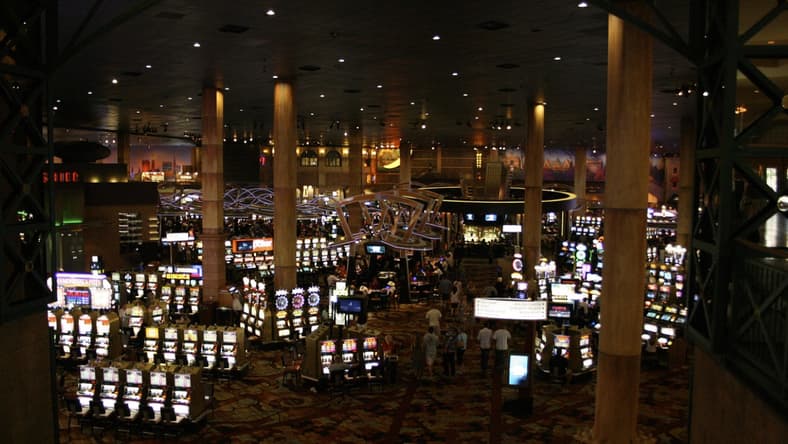
The pokie room is one of those rooms. It has ugly carpet, soft lighting, tired faces, half-finished drinks, and machines that keep flashing like they know something you do not.
A filmmaker does not need much dialogue there. The place already tells you who is lonely, who is broke, who is waiting, and who has stayed too long.
That is why the pokie room keeps coming back on screen.
The Pokie Room Does Fast Character Work
A good film setting should tell you something before anyone speaks.
That is the great trick of the pokie room. It gives a character a whole backstory in one shot. You see someone sitting alone at a machine, and you already start asking questions. Are they killing time before work? Avoiding home? Chasing rent money? Trying to feel lucky for once?
Australian filmmakers use that tension well because the room feels so ordinary. It does not look like Las Vegas. It looks like the back corner of a club, pub, or RSL where the air feels still, and the machines never stop making noise.
That is why it works so well on camera.
Gambling Moved Online, but the Old Room Still Matters
The pokie room has also changed because gambling itself has changed.
Australian gambling is no longer only tied to clubs, pubs, and casino floors. Online platforms have moved some of that same behaviour to phones and laptops. The visual language is different, but the hook is familiar. Fast play, bright rewards, and the feeling that one more try might fix the last bad one.
Bonuses are a big part of the newer online gambling world, especially in Australia. The annoying part is that many casino offers still come with wagering rules. That means you may need to bet through the bonus many times before any winnings can be withdrawn.
That is why no wagering offers get attention. They are cleaner, easier to understand, and less likely to trap players in a long bonus grind. For readers looking for sites that offer this kind of deal, the list of no wagering casino bonuses Australia from Online Casino Groups collects casino options where the bonus comes without those playthrough requirements.
Dirty Deeds Uses Pokies as Business, Not Decoration
Dirty Deeds is one of the clearest examples because it treats pokies as part of a wider economy.
The 2002 crime comedy looks back at the arrival of poker machines in 1960s Australia and turns that moment into a story about power, territory, and organised crime. The machines are not random props. They are the money engine people are fighting over.
That makes the film useful today because it understands something simple. Pokies are small machines, but they can control a big room. They change how clubs make money. They create winners, losers, owners, fixers, and people who want a cut.
That is why gambling floors work so well in crime stories. They make hidden deals feel visible. A machine spits out coins, a man watches from the bar, and suddenly the whole room feels connected.
Two Hands Makes Gambling Feel Built Into the City
Two Hands takes a different route.
The 1999 Sydney crime film does not treat gambling as one single set piece. It threads that underworld feeling through the film’s whole rhythm. Money moves badly. People make desperate choices. A young character gets pulled into a world that feels bigger and nastier than he expected.
That is close to how gambling often works in Australian screen stories. It is not always the main plot. Sometimes it is the weather around the plot. It sits in the background as a sign of risk, debt, hustle, and bad timing.
This is why pokie rooms fit Australian crime cinema so naturally. They are public places where private damage can hide in plain sight. Nobody has to whisper in a back alley when the club already has corners dark enough for poor decisions.
Wake in Fright Shows the Older Version of the Same Trap
Wake in Fright is not a pokie-room film, but it belongs in the same conversation.
Ted Kotcheff’s 1971 classic uses gambling as a social trap. The two-up game is not there to make betting look cool. It is there to show how quickly a man can lose control when money, alcohol, heat, and male pressure all close in at once. The film’s schoolteacher starts with a choice, then the town seems to swallow him whole.
That is the same dramatic function the pokie room often serves later. It turns gambling into an atmosphere. The danger is not only the bet. The danger is the way the room starts to feel normal after you have been inside it too long.
That is very cinematic and deeply uncomfortable.
The Room Gives Cinematographers Built-In Tension
Pokie rooms are ugly in ways that help movies.
The light is harsh but colourful. The machines throw blue, red, and green onto faces. The sound is constant, which makes silence feel even stranger when a character stops moving. The background is busy, but everyone still looks alone.
That gives cinematographers a lot to work with. A close-up can feel trapped because the machine light fills the frame. A wide shot can feel sad because a room full of people still looks isolated. Even the carpet helps. The whole design says comfort, but the mood says something else.
This is one reason filmmakers keep returning to the setting. It already has texture. You can shoot it as comedy, crime, horror, tragedy, or social realism. The room bends to the story.
Why Filmmakers Will Keep Going Back
The pokie room is useful because it does not need to announce itself.
It can sit inside a crime film, a family drama, a dark comedy, or a documentary and still make sense. It gives writers conflict, gives actors something to play against, and gives directors a visual mood that feels instantly local.
It also keeps changing. The old pub machine, the club room, the casino floor, and the online bonus screen are now part of the same wider gambling story. Cinema will keep chasing that shift because gambling keeps finding new shapes, and each shape says something about the people using it.
The pokie room remains the strongest screen version because it is physical. You can see the waiting. You can hear the loss. You can feel when someone has stayed too long.
For Australian cinema, that is hard to beat.