
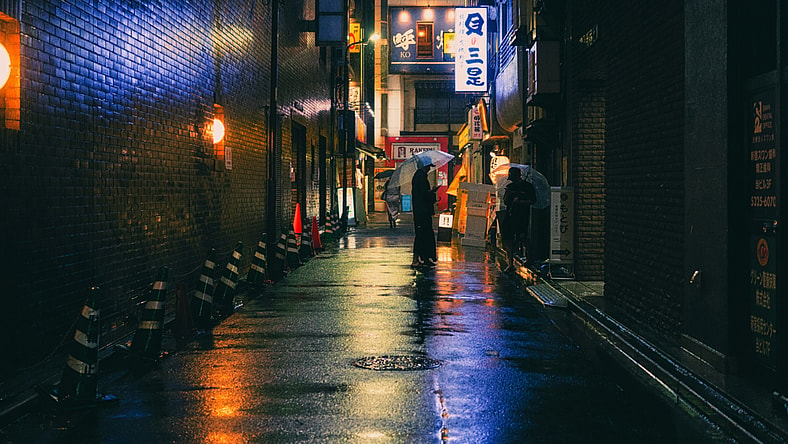
Music in film isn’t just an auditory layer: it’s an emotional compass. In neo-noir thrillers, late-night character dramas and indie genre pieces, soundtracks go beyond background ambience to become integral to tone, pacing and atmosphere. For filmmakers, especially those working independently, understanding how music functions as a storytelling tool can elevate a film from atmospheric to unforgettable.
Beyond Melody: Music as Narrative Device
In genre aesthetics like neo-noir and indie character drama, the score performs psychological storytelling. It hints at emotional undercurrents that visuals alone can’t always convey. In neo-noir (a style defined by shadows, moral ambiguity, and urban isolation) soundscapes often mirror a protagonist’s interiority. Sparse synthesizers, reverb-soaked motifs, and jazz-inflected lines can suggest mood more precisely than dialogue, helping the audience feel the world rather than just see it.
For indie filmmakers, who often work without colossal budgets, music becomes one of the most efficient tools for crafting a world. While production design and lighting build visual texture, the score and song choices build emotional space.
Music Supervision: Curating the Sonic Palette
Music supervision isn’t about licensing tracks, but about curation. A music supervisor or director chooses sounds that complement story beats and reveal character. Does a scene unfold at 3 a.m. in a neon-lit diner? Do we want the pulse of a downtempo electronic track, or the distant hum of vintage blues? The answer changes how viewers interpret every frame.
Neo-noir’s sonic identity often borrows from electronic and experimental traditions, with influence from composers like Cliff Martinez or even pop culture sensibilities filtered through post-modern eyes. Indie cinema can be more eclectic, using tracks that feel lived-in and specific; songs that might sound like what a character would play on their own late-night playlist.
These choices matter because they do more than set a tempo. They imply motivation. A character’s playlist choice can tell us who they are before a line of dialogue does.
Tone-Building: Music Meets Image
Tone is crafted by aligning audio with visual rhythm. A prolonged tracking shot through rain-slick streets might sit in near silence before a beat drops; that silence itself is a score choice. Music can signal shifts in tension or foreshadow narrative turns. In a character-driven drama unfolding under street lamps and neon signs, the score can underscore the emotional asymmetry between what’s said and what’s felt.
Independent filmmakers should think of music as “creative shorthand.” A familiar chord progression, a dissonant harmony, or an unexpected timbral texture can instantly establish place and mood. Music cues cue audiences. They tell viewers when to lean in — and when to breathe.
Case Study: Late-Night Inspirations
As a creative reference point, consider how a recent collection of indie tracks evoking a late-night Vegas atmosphere can function as tonal research rather than as a literal soundtrack. The selections capture the tension between neon glamour and nocturnal solitude: shimmering synth textures, restrained percussion and melancholic melodic lines that feel both intimate and cinematic.
For filmmakers, references like this are not about replication; they’re about calibration. Listening closely reveals how certain sonic textures imply space, isolation or moral ambiguity without overt exposition. That emotional layering is precisely what late-night neo-noir and character-driven dramas often require.
This approach mirrors how directors use visual lookbooks during pre-production. You don’t copy the reference: you extract its emotional architecture. The question becomes: How do I translate this same undercurrent of tension and vulnerability into my own cinematic language?
Independent Craft: Practical Tips for Filmmakers
1. Start with mood boards and sound boards.
Just as you might collect visual references for lighting or costume, curate a small set of sound references early. These don’t have to be final licensed tracks; they’re tools to guide collaborators toward a shared emotional goal.
2. Collaborate early with composers and sound designers.
Music shouldn’t be an afterthought. When composers are part of early conversations about tone, pacing and character, they can craft motifs that dovetail with narrative arcs.
3. Use diegetic sound intentionally.
Sometimes the sound comes from the scene: a character’s old radio, the hum of a club’s bassline. Because diegetic music exists within the story world, it doubles as both score and narrative clue.
4. Respect silence as much as sound.
Silence can be a musical choice. A beat of quiet between cues can heighten impact, create tension and give audiences space to reflect on what they’ve just seen.
Music and Genre Aesthetics
Neo-noir thrives on contrast: light and dark, clarity and ambiguity, melody and noise. Music amplifies these contrasts. Indie cinema, by contrast, often values specificity, ambient textures, non-traditional instrumentation, or songs that feel rooted in real subcultures. Both approaches require intentionality: what you choose to hear tells the audience what they should feel.
As an independent filmmaker or sound supervisor, listening becomes part of your craft. Not just to what’s in your film, but to what could be, to the emotional potential of every sync point, every cue, every silence.
Sound as Structural Storytelling
Scoring late-night stories isn’t about mimicking a genre’s past. It’s about understanding how sonic elements influence narrative rhythm and emotional perception. Whether you’re shaping the atmosphere of a neon-lit alleyway or the introspection of a character’s internal journey, music (chosen, crafted, and placed with intention) becomes a vital storytelling partner. Harness it well, and audiences won’t just see your world. They’ll feel it.
Main image: “Rainy night in Tokyo” by Zoro from zorotoo’s images.