
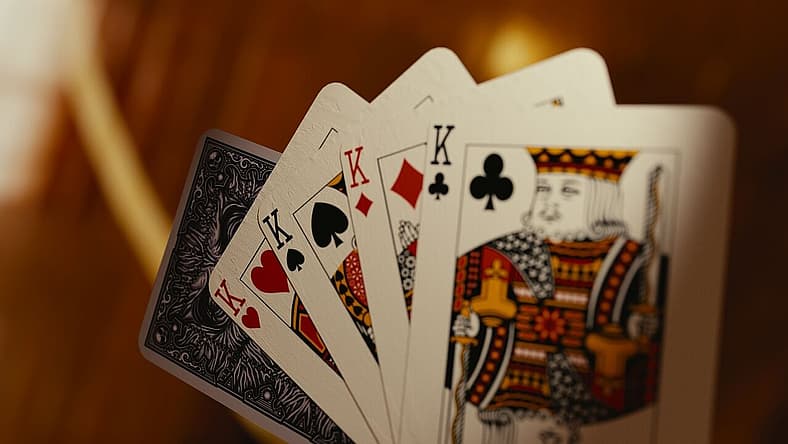
Picture a viewer settling in on a quiet weeknight, remote in hand, scrolling past dozens of options before landing on Rounders. Within minutes, Matt Damon is reading a table full of tells, John Malkovich is munching Oreos with that ridiculous Russian accent, and the whole room feels like it might detonate over a single river card. Nothing explodes. Nobody fires a gun. And yet the tension is unbearable. That is the strange magic of poker on screen: filmmakers have figured out how to make two people staring at cards feel more dangerous than a car chase.
That same pull — the thrill of luck, the held breath before a card turns — has also found a home in interactive entertainment, where adults can chase a lighter version of that feeling on their own time. Readers curious about where that experience lives online will find a useful starting point in this list, a 2026 guide to sweepstakes casinos built for US players. It breaks down how Gold Coins and Sweeps Coins actually work, walks through the bonuses and redemption options worth knowing about, and reviews four recommended operators, naming SpinBlitz as its overall top pick. As part of the wider PokerStrategy.com casino and poker resource, it serves as a plain-English map for anyone whose curiosity got sparked by a great card scene and wants to understand the real mechanics behind the drama.
Why the Card Table Became Cinema’s Pressure Cooker
There is a reason directors keep returning to the felt. A poker scene is a perfect little engine of conflict. Everyone wants something, nobody can fully see what the other players hold, and the stakes climb with every chip pushed forward. Screenwriters love it because it compresses character into a few minutes. The Cincinnati Kid turned a single hand between Steve McQueen and Edward G. Robinson into a generational showdown. Casino Royale used Texas Hold’em to make Daniel Craig’s Bond feel cold, brilliant, and quietly rattled all at once.
What makes these scenes work is restraint. The camera lingers on hands, eyes, the slow stacking of chips. Sound design drops to almost nothing. The audience leans in not because they understand pot odds, but because the actors have sold the weight of the moment. Luck becomes a character — fickle, cruel, occasionally generous.
The Craft Hidden Behind the Bluff
Capturing chance on film is harder than it looks. A real poker game unfolds over hours of dead air; a movie has maybe four minutes. So the craft lives in the editing room, in cinematography choices, and in performances that telegraph just enough without giving the game away. Editors cut on micro-expressions. Cinematographers light faces so a single bead of sweat reads as a confession.
Production design carries enormous weight too. The grimy underground clubs of Rounders feel worlds apart from the velvet-and-chandelier glamour of Ocean’s Eleven. Costume designers use texture and color to signal who has money and who is faking it. Even the chips matter — their clatter, their color coding, the way a character riffles them while thinking. The history of how studios have engineered these tactile, high-stakes worlds runs deep, and chronicles of milestones in visual effects work show how technical departments have long collaborated to make crowded, charged environments feel real rather than staged.
When the Setting Becomes the Star
Some films let the gaming world swallow the story whole. The Gambler, in both its James Caan original and the Mark Wahlberg remake, treats compulsion itself as the antagonist — the chase becoming more important than any single win. Casino, Scorsese’s sprawling epic, turns a desert empire into a meditation on greed, control, and the inevitability of the house.
These productions face a logistical mountain. Recreating a packed gaming floor means choreographing extras, lighting, and camera movement with surgical precision. A behind-the-scenes look at how Argo and other features built crowds and casino interiors reveals just how much digital and practical trickery goes into a scene most viewers assume was shot in a real venue. The crowd is half painted, half real. The neon might be added in post. The drama, though, has to be genuine — and that falls to the actors and the director.
Why Audiences Keep Coming Back to Chance
There is something universal about watching a person risk everything on an outcome they cannot control. It is suspense without a body count, conflict that anyone can grasp. The viewer becomes a silent fifth player at the table, calculating, hoping, dreading. That emotional contract explains why poker scenes age so well; The Sting still lands because the con and the card game tap the same nerve.
This appetite for orchestrated tension is also why the technical artistry behind such films gets recognized at the highest levels. The Academy’s honor for visual effects celebrates the invisible labor that makes risk feel real, whether that means a sinking ship or a smoke-filled room where a fortune changes hands. Spectacle and suspense have always been close cousins in Hollywood’s toolkit.
From the Screen to the Second Screen
The fascination rarely stays inside the theater. A great card scene tends to send curious adults looking for the feeling firsthand, which is part of why poker-inspired entertainment continues to thrive online. The appeal is the same one filmmakers have exploited for decades: the suspense of not knowing, the small jolt when chance breaks your way.
For storytellers, that overlap is a gift. It means the drama of luck never really goes stale. As long as audiences enjoy leaning forward in the dark, hearts ticking, waiting for the next card to land, filmmakers will keep finding fresh ways to turn a quiet table into the most thrilling place in the room.