
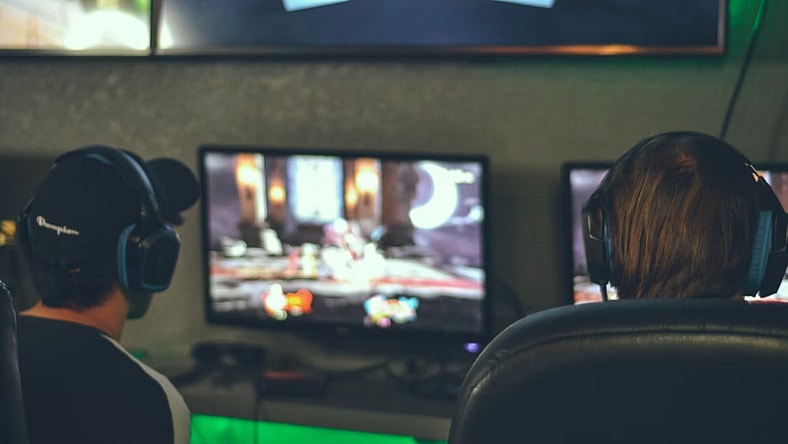
Sustainable gaming improvement requires deliberate practice, not grinding volume. Most players waste months playing 12+ hours daily without meaningful progress, while professionals who consistently improve typically practice 4-6 focused hours. The difference isn’t genetics or natural talent—it’s training methodology and intentionality.
The most effective long-term improvement framework combines four core pillars: goal-oriented practice sessions, focused skill isolation, performance review and analysis, and mental skills integration. Success depends on structured training infrastructure, systematic mechanical mastery, tactical refinement, and cognitive conditioning—not simply accumulated playtime.
The Deliberate Practice Framework
The distinction between casual practice and deliberate practice is critical for long-term improvement. Deliberate practice requires three essential components: participants attending to the task, exerting effort to improve performance, and receiving specific goals and immediate feedback with sufficient recovery time.
A comprehensive study of 1,835 esports players found that training occupied only 38.85% of total playing time on average, yet many players struggle to distinguish productive training from simply playing games. Elite players describe the difference clearly: playing three fully focused ranked games where you’re cognizant of your performance is “10 times better than just spamming 15 games a day, aimlessly.”
Quality trumps quantity consistently across all competitive gaming titles. Professional players understand that when learning new mechanics—such as champion combos in League of Legends—practicing in isolation prevents cognitive overload. This isolates execution from decision-making, allowing development of subconscious competence and muscle memory.
The Four Pillars of Pro-Level Training
1. Goal-Oriented Practice Sessions
The most effective training establishes specific objectives before each session. Rather than jumping into ranked games hoping to climb, set measurable targets. A League of Legends player might set the goal “improve CS efficiency in the first 10 minutes,” then use the practice tool to drill last-hitting for 15 minutes before playing one ranked game focused solely on that metric.
In Rocket League, players create custom training packs with performance gates like “hit 8/10 aerial shots within 2 minutes” and only move to competitive matches after achieving objectives. This structured approach prevents aimless grinding that characterizes most stagnant players.
2. Focused Skill Isolation
Complex skills require breakdown and isolated practice before integration into full games. In shooter games, this translates to specific aim training drills. Dedicated aim trainers like Aim Labs and Kovaak allow FPS professionals to isolate specific aiming principles: flick shots, tracking, speed versus accuracy.
These tools facilitate progression from conscious competence (thinking about each movement) to subconscious competence (automatic execution). Cheats for Arc Raiders, Warzone, BO7, Valorant and more might offer shortcuts, but genuine skill development requires this methodical approach to create lasting improvement.
3. Performance Review and Analysis
Elite players don’t just play—they study. Top performers review gameplay intensely after every session, identifying patterns in their mistakes and tracking improvement over time. This systematic review allows recognition of recurring decision-making errors, positioning mistakes, and mechanical inconsistencies that casual players overlook.
Recording gameplay and analyzing replays reveals uncomfortable truths about performance. Players often believe they’re making optimal decisions in-game, but replay analysis exposes the reality. This gap between perception and reality explains why so many players plateau—they’re practicing their mistakes repeatedly without correction.
4. Mental Skills Integration
Professional esports players increasingly incorporate psychological skills training alongside mechanical practice. Sports psychologists work with competitive teams on tilt management, performance anxiety reduction, and focus maintenance. Specific techniques include breathing methods and visualization strategies to maintain laser focus during matches.
Even split-second concentration lapses result in losses at high levels. Mental conditioning separates consistent performers from those who show flashes of brilliance between extended slumps.
Structural Training Components
Operational Infrastructure and Routine
Before advanced training, establish foundational infrastructure. Professional players require high-spec PC or console setups ensuring consistent hardware performance, fixed daily schedules minimizing variables, and optimized workspaces. This consistency matters significantly—traveling to tournaments in different regions demands maintaining identical setups to prevent performance fluctuations.
Systematic Mechanical Mastery
Mechanical improvement follows a specific progression. Start with isolated drill work using aim trainers and practice tools. Focus on technique-focused execution, prioritizing form over speed initially. Gradually add speed and pressure through difficulty escalation. Finally, integrate isolated skills into real match competitive context.
Rushing through these stages creates shaky fundamentals that crumble under pressure. The difference between a 3,000 SR player and a 4,000 SR player in Overwatch often comes down to mechanical consistency under duress, not raw aim potential.
Game-Specific Application Strategies
FPS Universal Principles
Across first-person shooters like Call of Duty, Valorant, CS2, and Apex Legends, core improvement principles remain consistent. Dedicate 15-30 minutes daily to isolated aim work before competitive play. Find your personal sensitivity sweet spot and maintain consistency—switching sensitivity weekly destroys muscle memory development.
Practice pre-aiming common angles and head-level positioning. Master game-specific movement mechanics like strafe timing, crouch spots, and wall-bouncing. Study spawns, rotation paths, and high-percentage positioning areas with the same intensity you’d study for an exam.
Strategic Depth Games
Titles like Rainbow Six Siege and Valorant demand additional depth beyond mechanical skill. Understanding ability mechanics, timing, and optimal usage separates good players from great ones. Economy management—making strategic purchasing decisions based on round probability—often determines match outcomes more than raw aim.
Learning defensive setups, anchor positioning, and rotational patterns requires studying professional VODs and analyzing high-level decision-making. Practicing ability combos and trading efficiency in custom games builds the foundation for clutch performances in ranked.
Common Long-Term Improvement Mistakes
Research reveals consistent patterns preventing sustainable improvement. Conflating practice time with improvement—playing 12+ hours daily without structure—produces minimal gains compared to 4-6 focused hours. Players following standardized schedules without understanding the reasoning behind them fail to adapt or optimize their training.
Playing on autopilot during competitive matches wastes opportunities to apply isolated training. Many players practice but never systematically review performance to identify recurring mistakes. Neglecting mental conditioning treats competitive gaming as purely mechanical, leading to inconsistent performance under pressure.
Inadequate recovery between training sessions leads to fatigue and diminishing returns. Training intensity without proper breaks creates a downward spiral where more hours produce worse results.
Sustainable Practice Structures
Avoiding Burnout Through Structured Schedules
A structured training program prevents burnout and injury while boosting motivation and consistency. Rather than grinding unlimited hours, professionals follow deliberate training cycles. Start with training plan review, selecting 1-2 specific skills to focus on per session. Complete mind and body warm-up with wrist and finger-specific preparation.
Perform in-game warm-up through quick, high-paced activities. Execute specific isolation drills with technique-focused mechanical practice. Gradually introduce pressure through speed and competitive challenges. Take mental breaks ensuring adequate recovery. Finally, play real matches applying trained skills with deliberate focus.
Tracking and Benchmarking
Sustainable improvement requires measurement. Track mechanical benchmarks like aim training scores, spray control consistency, and reaction time metrics. Monitor game-specific stats including CS per minute, kill-death ratios, objective completion rates, and decision-making efficiency.
Video analysis allows tracking specific mistake types—positioning errors, utility timing failures, and communication breakdowns. Monitor rank progression over monthly intervals rather than daily fluctuations. Daily rank changes create emotional volatility that undermines long-term consistency.
Evidence-Based Takeaways for Long-Term Success
Practice 4-6 focused hours daily rather than grinding 12+ hours unfocused. Establish specific, measurable objectives before each training session. Isolate and drill complex skills before applying them in competitive matches. Review gameplay systematically to identify recurring patterns and mistakes.
Incorporate mental skills training alongside mechanical practice. Maintain consistent equipment and environment to minimize performance variables. Structure training progressively from isolated drills through pressure addition to competitive application. Take adequate recovery breaks to sustain intensity and prevent burnout.
Study opponent tendencies and meta developments continuously. Track measurable progress rather than relying on win-rate fluctuations alone. The path to competitive excellence requires treating gaming like professional athletes treat their sports—with structured training, scientific methodology, performance analysis, and dedicated mental conditioning.
Volume of practice matters far less than quality, intentionality, and systematic refinement across mechanical, tactical, and psychological dimensions. The difference between elite and recreational players isn’t genetics—it’s training methodology and intentionality applied consistently over months and years.