
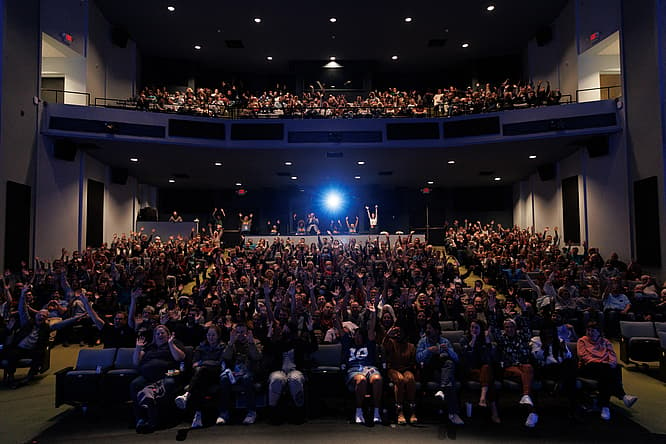
The film festival circuit has long felt like a two-city conversation. New York and Los Angeles dominated the calendar, the budgets, and the buzz. But something has shifted. Independent festivals are planting flags in mid-size cities across America, and the results are reshaping how filmmakers think about where to submit — and where to show up.
This isn’t a fringe movement anymore. It’s a deliberate strategy driven by economics, community, and a growing hunger for creative spaces that don’t cost a fortune to navigate.
What Makes a City Festival-Ready
Infrastructure matters, but it’s rarely the deciding factor. What actually makes a city attractive for festival organizers is a combination of production incentives, affordable logistics, and an existing creative community. Atlanta’s “Hollywood of the South” reputation, built on generous tax credits and a deep local crew base, makes it a natural fit for festival expansion. Cities like that already have audiences primed to engage with film as a serious art form.
It’s also worth noting that broader entertainment culture plays a role in shaping a city’s identity as a creative hub. Places with diverse nightlife, live music scenes, and varied leisure options — including the growing interest in Louisiana online casinos as part of Louisiana’s expanding entertainment economy — signal the kind of cultural appetite that festival organizers look for when choosing new markets.
Mid-Size Cities Winning Festival Submissions
Atlanta, Austin, and Santa Barbara are no longer considered backup options for filmmakers who couldn’t crack Sundance. They’re destinations in their own right. The Santa Barbara International Film Festival draws over 100,000 attendees annually, a number that rivals many larger-market events and signals serious audience investment in a city well outside the traditional power corridors.
The American Black Film Festival moved aggressively on this trend last fall. Its Pop-Up Tour expanded to four new U.S. markets — Atlanta, Dallas, New York City, and Los Angeles — ahead of ABFF’s 30th anniversary, bringing curated programming directly into regional communities that previously had limited access to the flagship Miami Beach event.
Local Entertainment Culture Draws Attendees
Austin is probably the clearest example of how local culture amplifies festival appeal. The Austin Film Festival thrives partly because the city already draws creative types year-round through its music scene and arts events. Attendees aren’t just showing up for screenings — they’re showing up for a full cultural experience. That’s a compelling pitch for both filmmakers and sponsors.
Festivals are increasingly leaning into this dynamic by programming around local culture rather than against it. Slamdance, for instance, has built its identity on intimate, community-rooted experiences in non-traditional venues. That approach resonates specifically because it mirrors the energy of the cities it inhabits.
Which Emerging Markets Filmmakers Should Watch
For indie filmmakers evaluating where to submit or attend in 2026, the geography is widening fast. Dallas, New Orleans, Chicago, and smaller Southeastern cities are developing the infrastructure and audience bases that support meaningful festival programming. These markets also tend to be far more accessible budget-wise, which matters enormously for independent creators working without studio backing.
The broader takeaway is that festivalgoing has become a regional experience, not just a coastal pilgrimage. Cities with authentic cultural identities, strong local economies, and communities hungry for independent cinema are proving that prestige doesn’t require a zip code. The filmmakers paying attention to these emerging markets now are positioning themselves well ahead of the curve.