
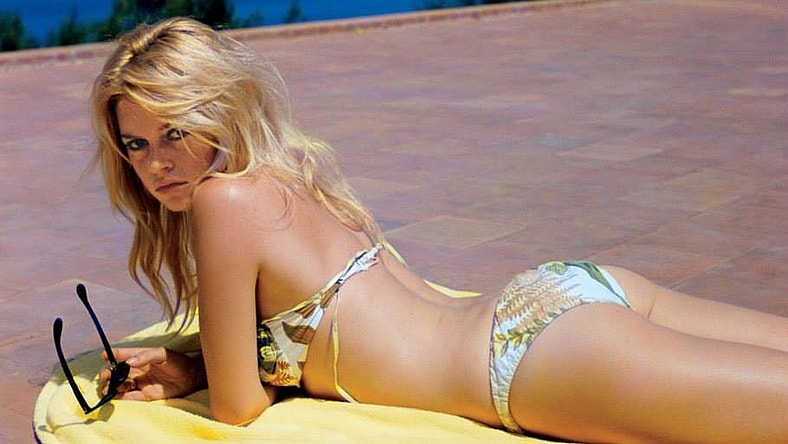
Here are 12 Brigitte Bardot movies that are still a pleasure to watch — in honor of the new Brigitte Bardot documentary, Bardot.
In her 91 years, Bardot has been a film star, singer, animal rights activist, and a hero of both the left and right.
Her career helped introduce the French New Wave film movement to a global audience, and introduced a new spirit of freedom, openness and beauty in global cinema.
Some classic films are undeniably great, but can feel slow by modern standards. These Brigitte Bardot movies, however, remain a delight.
Doctor at Sea (1955)

This silly British comedy-drama, directed by Ralph Thomas, was the second of the films in the Doctor series, following the adventures of Dr. Simon Sparrow (Dirk Bogarde). Bardot, little-known at the time, stood out as his love interest, Helene.
The film was one of the biggest British hits of the 1950s, which makes it a fascinating look at the state of mind in postwar Britain, when everyone seemed very thirsty for a little light distraction.
It’s fascinating to see Bardot in an English speaking early role, before she became a cinematic icon.
Plucking the Daisy (1956)
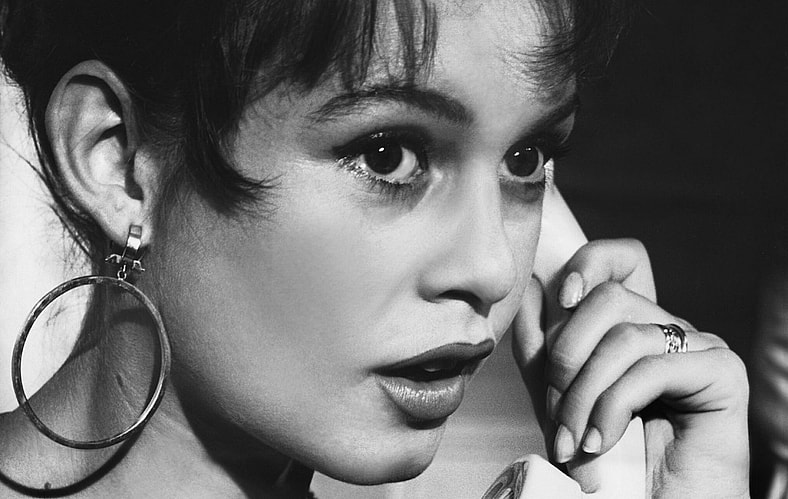
This gorgeously shot French comedy, aka En effeuillant la marguerite, was directed by Marc Allégret and stars Bardot as a young author who, through a series of misadventures, enters a risque contest.
The film received positive reviews, and Turner Classic Movies once called it “typical of the suggestive but innocuous films That Bardo made early in her career.”
It was the 20th most popular film of the year at the French box office, but had nowhere near the impact the next Brigitte Bardot movie released in 1956.
And God Created Woman (1956)
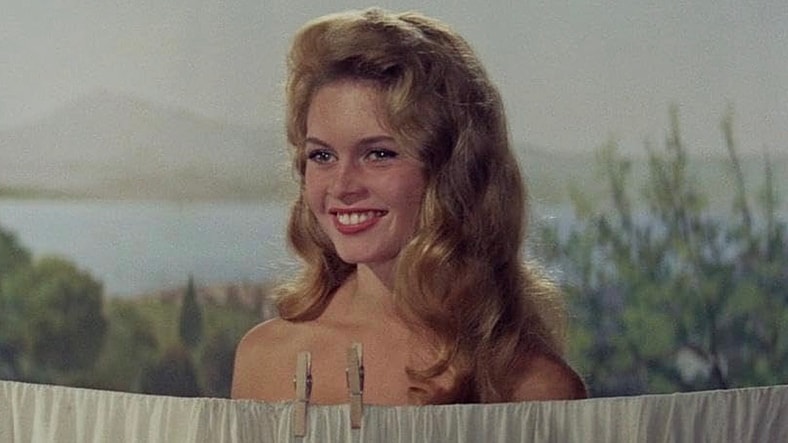
This French film is the movie that made Brigitte Bardot an international sensation.
Directed by her then-husband Roger Vadim, it was originally released under its French title, Et Dieu… créa la femme, and follows young Juliette (Bardot) an 18-year-old who stirs up attention everywhere she goes in Saint-Tropez. Her supposed hedonism includes — brace yourself! — dancing barefoot.
It became the highest-grossing foreign film ever released in the United States, earning $4 million.
In 1999, director Peter Bogdanovich credited the film with “breaking French cinema out of us art houses and into the mainstream,” which also kicked open the doors for the French New Wave.
Babette Goes to War (1959)
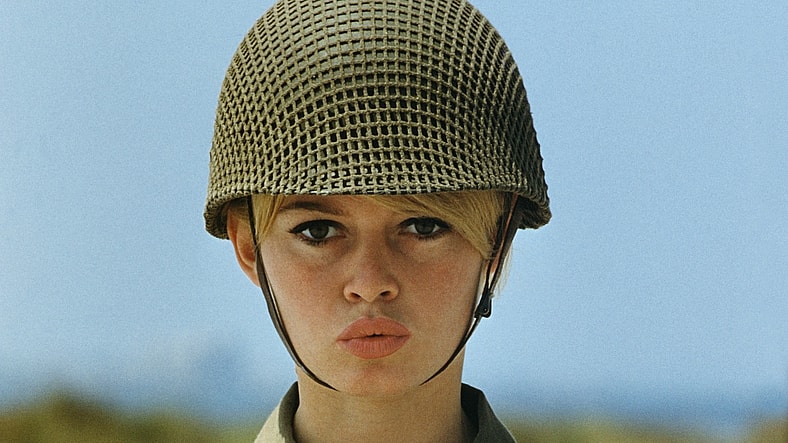
By 1958, Bardot was the highest-paid actress in France, with nothing to prove.
Babette Goes to War (Babette s’en va-t-en guerre) was notable for highlighting her comic chops, and for being the first of the starring vehicles in which she did not appear disrobed.
Set in 1940, it’s shot beautifully in French CinemaScope, and tells the story of a young Frenchwoman who inadvertently gets involved in preventing Germany’s invasion of England.
The Truth (1960)

The Truth — aka La Verité — is much darker than the Brigitte Bardot movies that came before.
Directed by Henri-Georges Clouzot, it tells the story of Dominique (Bardot), who is put on trial after surviving an attempted murder-suicide pact that ends in the death of her lover. Dominque’s story is told in flashbacks as she stands trial.
The film was even more famous for the near-tragedy offscreen: Bardot reputedly attempted suicide during the production, leading the New York Times to report at the time of its release, “probably no film in recent years, at least in France, has been subjected to so much advanced attention.”
The Los Angeles Times, meanwhile, called it “an amazing picture, a tour de force from all concerned” adding that it is “at once immoral, amoral and strangely moral.”
The film ended up being the biggest box office success of Bardot’s career, and was nominated for the Academy Award for Best Foreign Language Film.
A Very Private Affair (1962)
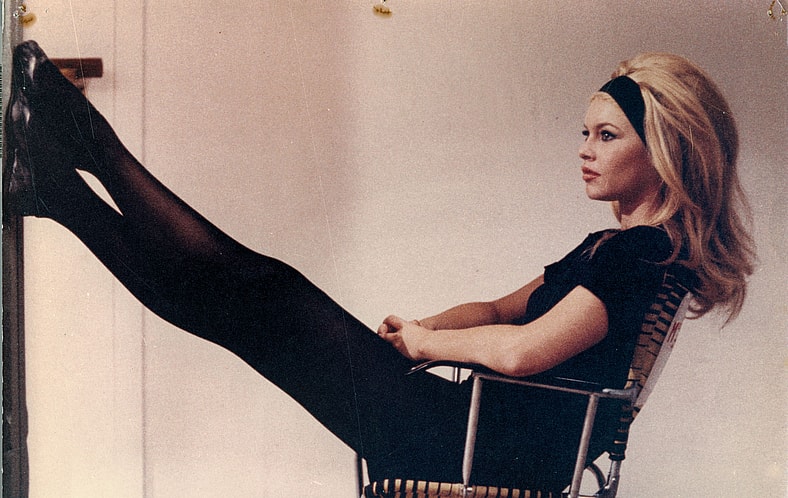
It’s hard not to see Louis Malle’s — aka Vie privée — as mirroring Bardot’s own struggles.
It tells the story of a glamorous icon named Jill (Bardot) who draws intense scrutiny from the paparazzi and struggles with the pressures of fame. It offers a very dark take on stars’ efforts to live and love outside of the spotlight. Her affairs, of course, are anything but private.
The film is worth seeing just to see Bardot paired with Marcello Mastroianni.
Contempt (1963)

For our money, the best film on this list — and one of the best films ever made. If you have time for only one Brigitte Bardot movie, watch this one.
A French New Wave classic, aka Le Mépris, this Jean-Luc Godard masterpieces stars Bardot as Camille, the bored wife of Paul, a screenwriter hired by Fritz Lang (playing himself) to adapt The Odyssey.
Arrogant American film producer Jerry Prokosch (a ravenous Jack Palance) invites Paul and Camille to visit his home, but only has room in his convertible for one passenger. Camille takes it, setting off a cycle of jealousy and despair.
The film takes a road trip to one of the most beautiful locations ever captured on film, Capri, Italy. We wish we could say things end happily in that coastal paradise.
The Ravishing Idiot (1964)

Another movie worth watching for the fascinating pairing of its leads, this Cold War comedy, aka Une ravissante idiote, pairs Bardot with Psycho star Anthony Perkins.
Perkins plays a Soviet spy who relies on his new partner, Bardot’s Penelope Lightfeather, as they cavort across Europe, trying to outwit counterintelligence agents.
To give you a sense of Bardot’s following at the time, it was also released in the U.S. as Agent 38-24-36.
Viva Maria (1965)
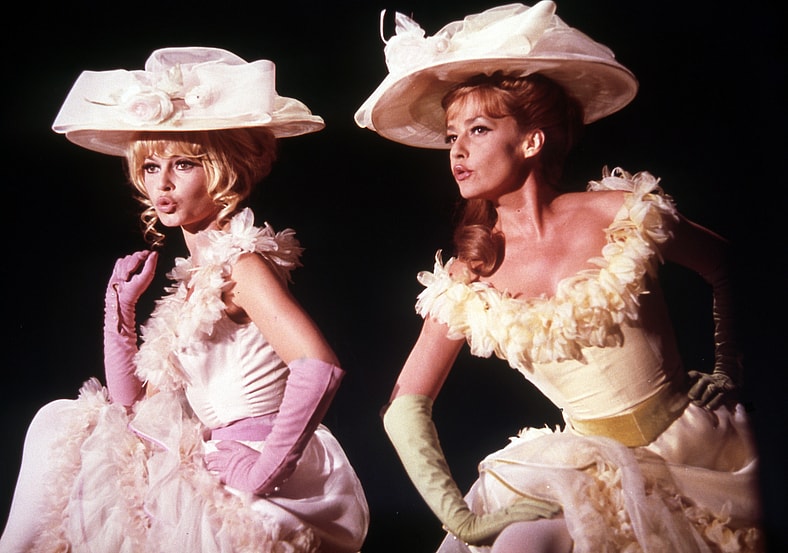
Bardot worked again with director Louis Malle on this very ’60s movie that paired her with Jean Moreau. They played two women, both named Maria, who become early 20th Century revolutionaries and folk heroes.
It was seen as fairly subversive at the time, as it was seen as a nod to the student protests of the era.
Turner Classic Movies has explained that Malle wanted to subvert the tropes of buddy movies — including by making the buddies movies.
Whatever its politics, Viva Maria looks gorgeous. The costumes were the work of Pierre Cardin.
Masculin-Feminin (1966)

Brigitte Bardot only has a cameo in this Jean-Luc Godard film, making an uncredited appearance as an actress.
But it’s one of the lovely surprises in a film that delights in blending fantasy and cold hard reality.
It’s also nice to see Bardot in a loose, fun, endlessly unpredictable Godard film after the heartbreak of Contempt.
Don Juan, or If Don Juan Were a Woman (1973)
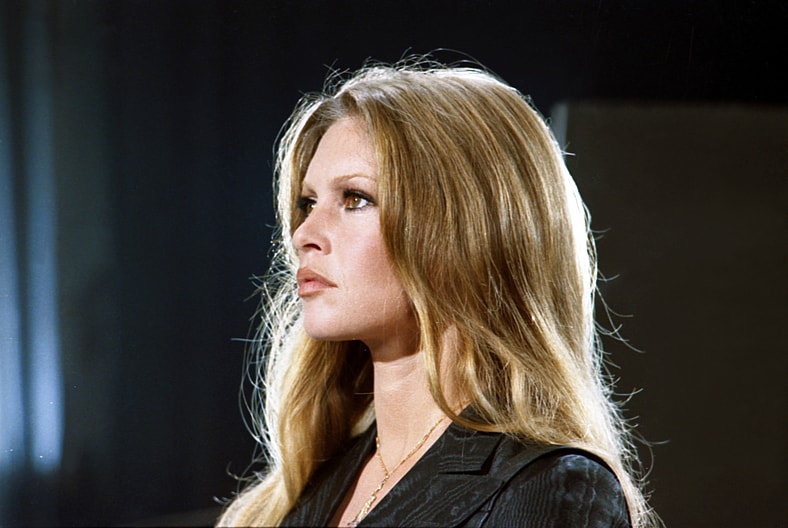
Bardot reunited with ex-husband Roger Vadim for this drama, their fifth film together, which is known in French as Don Juan ou Si Don Juan était une femme…
It’s another film in which Bardo subverts expectations with a gender switch: She plays Jean, a woman who believes she has been reincarnated as Don Juan, the legendary Spanish lover.
It notably pairs Bardot with Jane Birkin, famous for films like Blow Up and La Piscine.
The Edifying and Joyous Story of Colinot (1973)
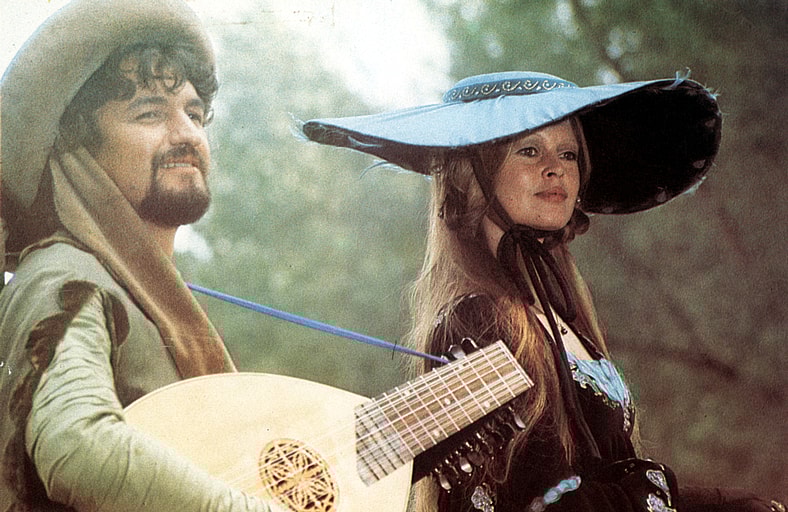
Also known by the even longer French title L’histoire très bonne et très joyeuse de Colinot Trousse-Chemise, this curious comedy follows a man whose happiness is interrupted by the kidnapping of his fiancee.
His search for her leads him on many thrilling adventures, including a meeting with Arabelle, who turns his life around by being played by Brigitte Bardot.
Bardot vowed that this would be her final film, and she held fast to that vow, exiting the film industry at the age of 39.
If you like this list, we’d love for you to follow us for more stories like this.
Main image: Brigitte Bardot on the set of Contempt. Marceau-Cocinor.
Editor’s Note: Corrects main image.